Product Description
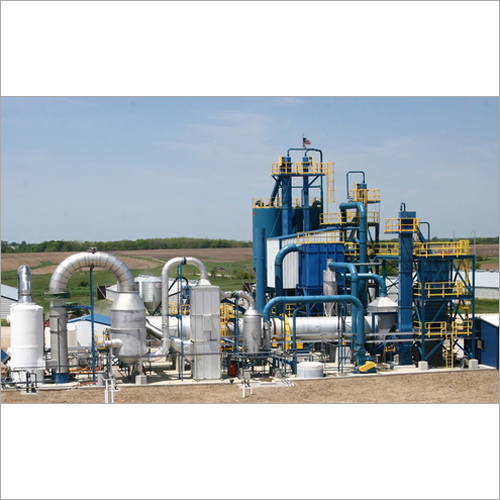
Automatic Fertilization Plant is made from mild steel and ensures efficient utilization of water as well as fertilizer. This is used to deliver the plants nutrients and provide high-quality crop as well as higher yields. The plant is useful for farmers in many ways. It can significantly improve the usage of water and nutrient. The objective is Automatic Fertilization Plant is to automatically maintain the moisture level of the soil. The mixing of different nutrients these ensure enable it to obtain the requisite NPK ratio and them impart it to plants along with irrigation
Specification
| Grade K2O | 0-20 |
| Automatic Grade | Automatic |
| Material | Mild steel |
| Brand | Megatech |
| Grade N | 4-20 |
| Grade P2O5 | 0-20 |
Precision Fertilization for Modern AgricultureMaximize crop yield and quality with the AFP-2024 Automatic Fertilization Plant. Its advanced PLC control system and touch screen HMI make nutrient delivery accurate and intuitive. Suitable for farms, orchards, and greenhouses, the system automates dosing, reduces manual intervention, and optimizes resource use.
Robust Control and ConnectivitySeamlessly manage your fertigation process with the AFP-2024s RS485 and Ethernet interfaces, ensuring integration with advanced agricultural management platforms. The control panels touch screen HMI allows operators to set parameters, monitor performance, and respond efficiently to system alerts.
Safety, Efficiency, and DurabilityEngineered with Stainless Steel 304 tanks and powder-coated surfaces, this system resists corrosion and wear. Safety sensors protect against overloads and leaks, while energy-efficient operation and low noise levels maintain a productive workplace. The plants modular design fits installation areas of 15-20 sqm, with onsite assistance for set-up.
FAQs of Automatic Fertilization Plant:
Q: How does the Automatic Fertilization Plant AFP-2024 ensure precise and reliable dosing?
A: The plant utilizes a PLC-based control system coupled with a touch screen HMI, enabling operators to accurately program and monitor multiple dosing channels. Precision dosing is achieved through advanced sensors and variable-speed pumps, ensuring consistent nutrient distribution for various crops.
Q: What are the installation requirements and how much space is needed?
A: The AFP-2024 requires a dedicated area of 15-20 sqm for proper installation. All essential accessories, including pumps, pipelines, and a control panel, are provided. Onsite installation assistance is available to ensure optimal setup and integration with existing infrastructure.
Q: When should maintenance be performed on the plant, and what is involved?
A: Thanks to its robust design and use of high-quality Stainless Steel 304 and powder-coated materials, the AFP-2024 demands minimal maintenance. Scheduled checks should focus on sensors, pumps, and pipeline connections, typically requiring only basic cleaning and inspection to maintain reliability.
Q: Where is the AFP-2024 commonly used?
A: This automatic fertilization plant is suitable for diverse applications, including agricultural fields, horticultural sites, and greenhouse automation. Its high efficiency and customizable production capacity make it ideal for both small and large-scale operations seeking modern fertigation solutions.
Q: What benefits does the computerized, automatic operation of this plant provide?
A: Computerized automation significantly reduces manual labor, minimizes errors in dosing, and allows for real-time performance monitoring. This leads to improved crop yields, resource savings, and lower long-term operational costs.
Q: How is safety addressed in the AFP-2024 system?
A: Multiple safety protocols are integrated, including overload and leak sensors, to detect and respond to potential hazards promptly. These features protect both the system and users, while maintaining operational continuity.
Q: What makes the AFP-2024 energy-efficient and environmentally friendly?
A: With energy-efficient electric drive motors, a variable speed design, and up to 95% operational efficiency, the plant utilizes less power and resources. Its corrosion-resistant construction and low maintenance needs further contribute to its sustainability.

















 Send Inquiry