Product Description
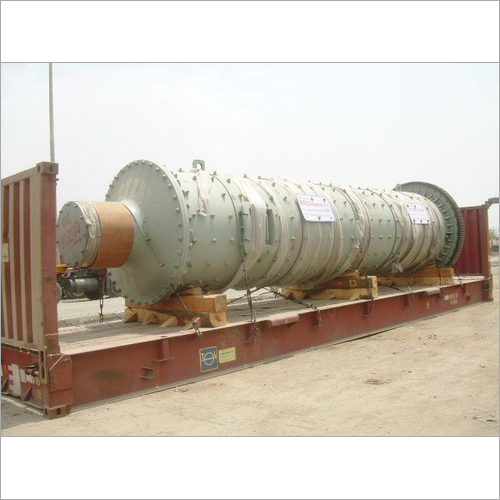
Synthetic Gypsum Plant is generally produced from the environmental control system. It is a plant which is basic purpose is to manufacture chemical compounds. It is able to produce a valuable and worth product from waste. Synthetic Gypsum Plant is suitable in engineering and chemical processing industries. It is also aid to produce a high quality of gypsum raw materials by reacting a combustion gases. It comes in varied configurations and specifications to meet the current needs of consumers.
Specification
| Material used | Caso4+H2o |
| Automatic Grade | Automatic,Semi-Automatic |
| Material | Steel |
| Brand | Megatech |
| Raw materials | Limestone, Sulphuric Acid |
| Moisture range | 10% to 15% |
- Use : As a bounding compound.
- Raw Materials : limestone, Sulphuric acid CaCO3+ H2SO4 = CaSO4+H2O
- Natural gypsum: CaSO4. 2H2O
- This lead s to the formation of calcium sulphite (CaSO3. ½ H2O)
- This calcium sulphite is then oxidised to form the required gypsum. Of the formula of CaSo4.2H2O
Advanced Automation and EfficiencyEquipped with a comprehensive PLC control system, the Synthetic Gypsum Plant ensures consistency and efficiency with continuous operation. Minimal staff (2-3 operators) are required, thanks to its highly automated processes and intuitive interface. This design minimizes operational costs, enhances productivity, and delivers up to 98% efficiency with power consumption between 110-120 kW.
Robust Safety and Environmental ComplianceThe plant is built to meet the Central Pollution Control Board (CPCB) norms of India, with dust emissions consistently maintained below 50 mg/Nm and noise levels under 85 dB. Key safety features include emergency stop switches and interlocked doors. The systems anti-corrosive finish, integrated water cooling, and dust control components further protect workers and the environment.
Turnkey Solutions and Reliable SupportCommissioning is completed within three months post order, supported by turnkey installation guidelines from our expert team. Ongoing service is efficient, with both on-site and remote troubleshooting available. Spare parts are always on hand, ensuring minimized downtime for customers. Optional automatic packing systems enhance final-stage productivity.
FAQs of Synthetic Gypsum Plant:
Q: How is the synthetic gypsum produced in this plant?
A: The Synthetic Gypsum Plant uses a continuous process where desulfurized fly ash, wet FGD gypsum, and water are combined under controlled conditions. The PLC-controlled system manages feeding, reaction, cooling, and material handling, resulting in high-quality synthetic gypsum suitable for industrial applications.
Q: What are the benefits of integrating a water cooling system in the plant?
A: The integrated water cooling system helps maintain optimal operating temperatures, improves equipment longevity, supports consistent production quality, and ensures safer working conditions by preventing overheating during continuous operation.
Q: When can the plant be commissioned after ordering?
A: The Synthetic Gypsum Plant is typically commissioned within three months of placing the order. Our turnkey installation service ensures swift setup, testing, and operational handover at your site.
Q: Where can this synthetic gypsum plant be installed and what industrial uses does it serve?
A: This plant can be installed across various industrial sites, particularly gypsum board manufacturers, cement additive producers, and organizations looking to produce soil conditioners or Plaster of Paris. Its design and size make it suitable for exporters, manufacturers, and suppliers across India and international markets.
Q: What features ensure safe and environmentally compliant operation?
A: Safety and environmental protection are addressed through emergency stop switches, interlocked access doors, dust collectors ensuring emissions below 50 mg/Nm, low-noise operation (under 85 dB), and full compliance with CPCB norms. These measures safeguard both operators and the environment.
Q: How can operators monitor and control the plants processes?
A: Operators utilize a computerized PLC-controlled interface, allowing for easy monitoring and adjustment of all key parameterssuch as feed rates, temperatures, moisture content, and system statusesin real time. This automation ensures precision and safety at all stages.
















 Send Inquiry