Product Description
Specification
Raw Materials:
| Raw Material | Percentage |
| Lime Stone | 71 - 72 |
| Clay ( Black Soil) | 16 18 |
| Pet Coke | 8 |
| Iron dust | 1% if required |
| Automatic Grade | Automatic, Semi-Automatic |
| Control Type | PLC |
| Brand | Megatech |
| Cement packaging size | 50 Kg bags |
| Temperature | Up to 1350 degree Celsius |
| Raw Material Size | Less than 25 mm |
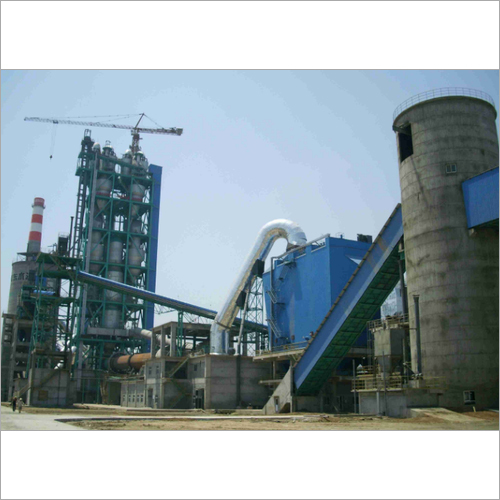
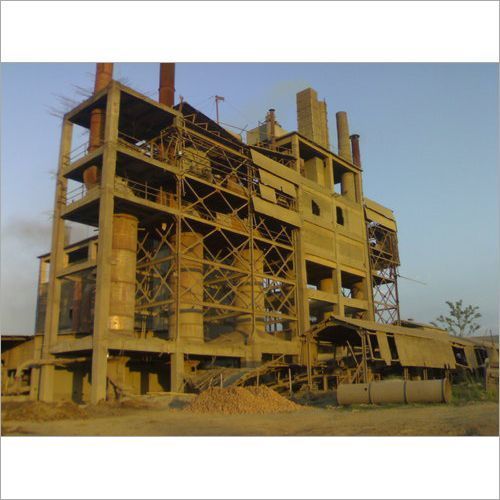
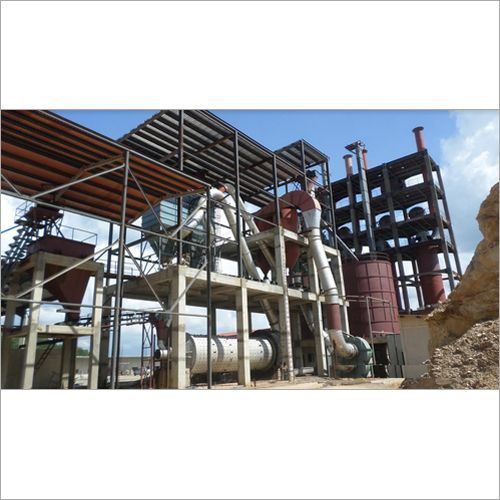
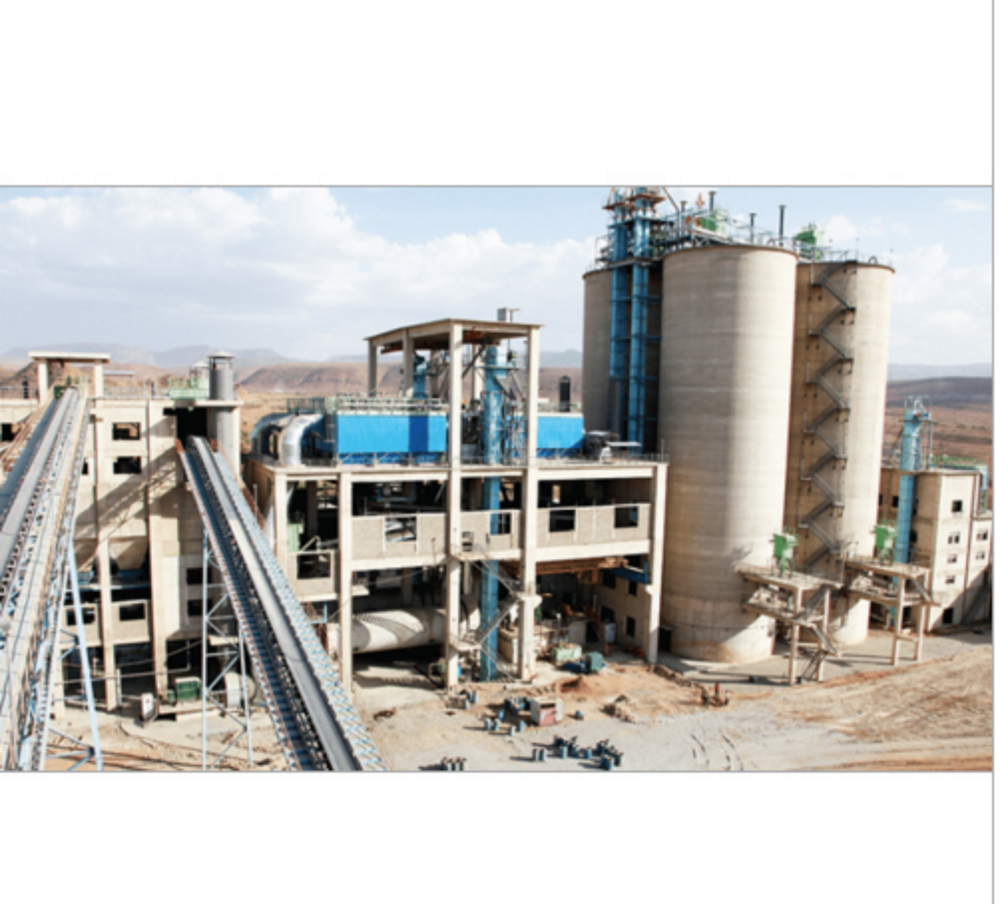
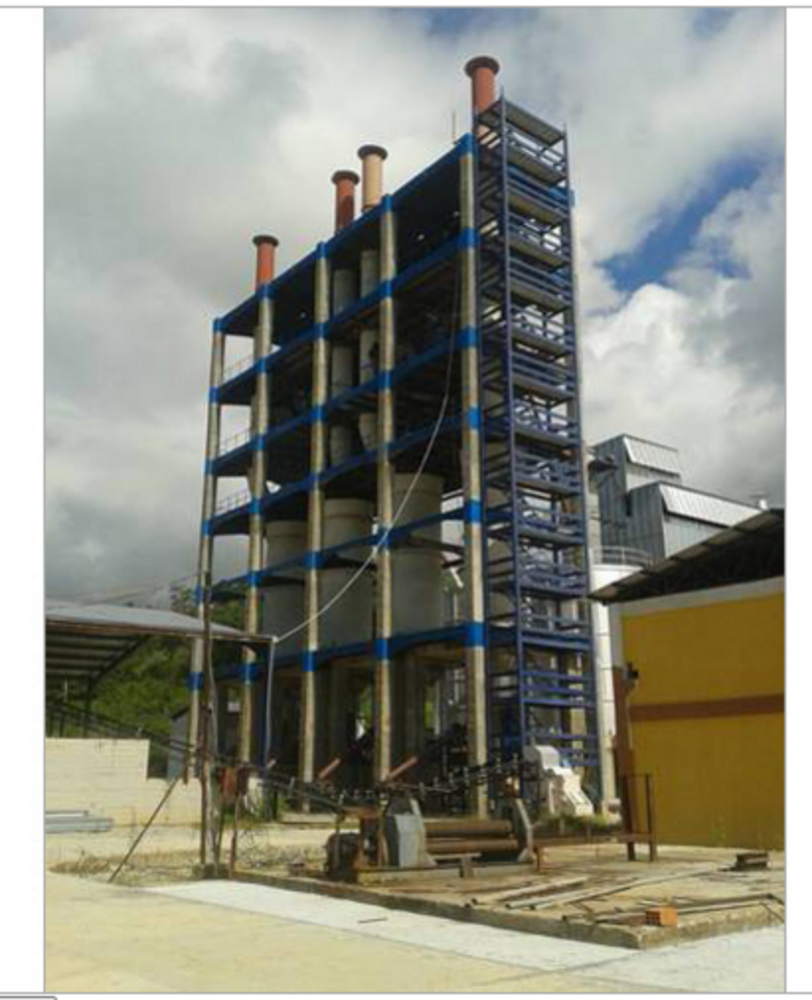
Efficient Cement Production TechnologyUtilizing vertical shaft kiln (VSK) technology, these Portland Cement Processing Plants are optimized for high yield with low power consumption. Automated feeding systems and centralized control panels enhance process reliability and operational efficiency. The adoption of high-grade refractory brick lining ensures durability during burning at temperatures up to 1300C.
Customizable and Sustainable SolutionsOur plants are adaptable to your specific production capacity and design requirements, ranging from 50 TPD to 500 TPD. With dust collection systems like bag filters or cyclone separators and compliance with chimney height emission standards, the environmental footprint is minimized. Indirect cooling maintains product quality while robust material choices provide longevity.
Comprehensive Installation & SupportFrom installation assistance through to after-sales service, including spare parts and technical support, our team ensures your cement processing plant operates smoothly. Choose automated or PLC control options for enhanced convenience, and benefit from reliable, heavy-duty motors that drive long-term performance with minimal maintenance.
FAQs of VSK Portland Cement Processing Plants:
Q: How does the VSK Portland Cement Processing Plant manage emissions and dust control?
A: The plant incorporates standardized chimney heights based on emission norms and uses highly efficient dust collection systems, such as bag filters or cyclone-type collectors, to control particulates. These features ensure environmentally compliant and safe operation during cement manufacturing.
Q: What is the usual process flow within this cement processing plant?
A: Raw materials are fed automatically via conveyors to the vertical shaft kiln, where they are burned at 1200C1300C using coal, pet coke, or natural gas. The resultant clinker undergoes indirect cooling, and dust is collected through designated filters before final cement grinding and packaging.
Q: When should I choose this VSK plant for my cement manufacturing needs?
A: VSK Portland Cement Processing Plants are ideal for manufacturers seeking capacities between 50 TPD and 500 TPD, preferring low energy consumption, minimal maintenance, and adaptability to various fuels. Consider adoption when looking to establish, expand, or modernize cement production facilities.
Q: Where can these cement plants be installed and what customization is possible?
A: The plants are designed for the cement manufacturing industry and can be installed at sites with access to required raw materials and fuel. Plant dimensions, weight, and configuration are fully customizable according to specific location and production needs, ensuring seamless integration.
Q: How can I benefit from the automated and centralized control features?
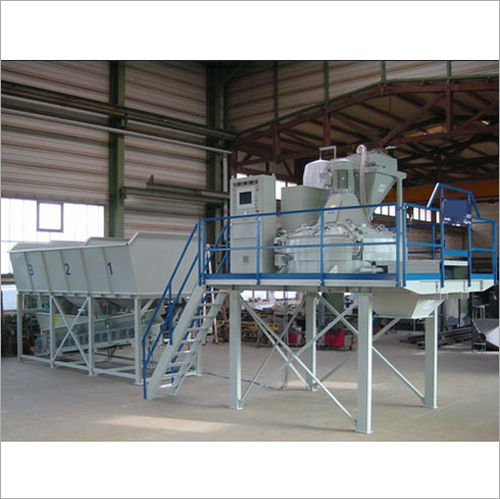
A: Automated conveyor feeding and the centralized control panel, with optional PLC control, simplify plant operations, improve consistency, and reduce human error. These features contribute to higher yield, efficient use of resources, and superior product quality with minimal maintenance requirements.
Q: What after-sales services are provided for the VSK Portland Cement Processing Plant?
A: Comprehensive after-sales support includes technical assistance, routine maintenance guidance, and the provision of genuine spare parts. Our dedicated team ensures trouble-free operation and can assist with upgrades or troubleshooting throughout the plants lifecycle.
Q: Which material and cooling system options are available for these processing plants?
A: Plants are constructed using mild steel or stainless steel, lined with high-grade refractory bricks for thermal durability. Cooling is accomplished via an indirect system, preserving clinker quality and prolonging equipment life under high-temperature conditions.

















 Send Inquiry